

Engineering
Platform information and proposed QAF engineering. Component imagery is illustrative; final configuration and regional performance require validation.
What a QAF is made of, and what we do to it.
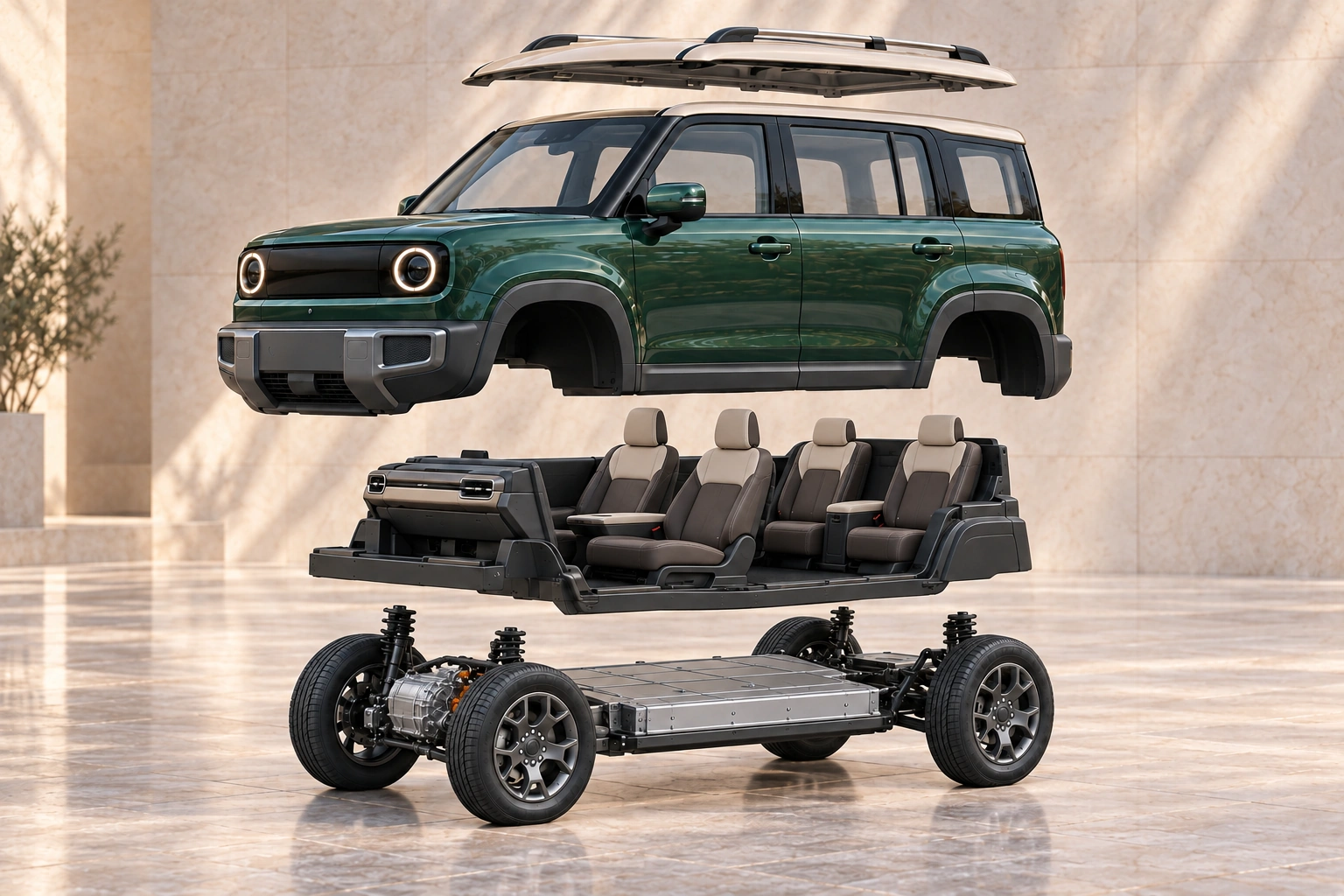
eng-hub-exploded-hero.webpAn established platform. A focused development brief. The vehicle underneath a QAF is a small electric SUV based on an established volume-built platform. We keep its structure, its drive and its battery.
We change the body finish, the cabin, the climate system, the electrics for the region, the software the guest sees, and the tuning of everything that moves. Every page in this section says which is which.
One vehicle, one record
The build number
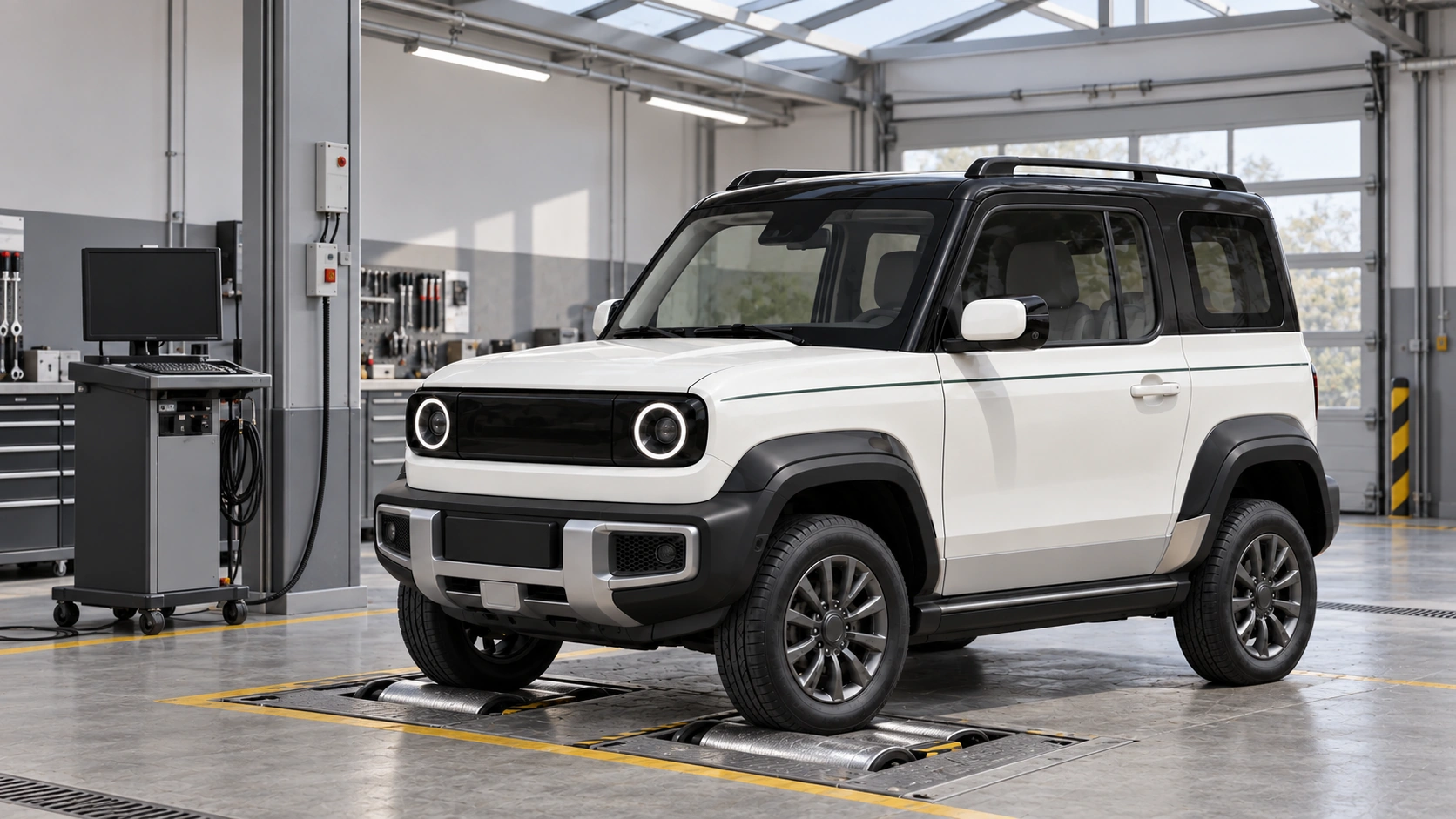
Engineering does not end when a vehicle leaves the atelier. Our intended standard is one record for the life of each QAF — what arrived, what changed, what was tested and what was later serviced.
The record follows the six systems on this site: platform, drive, battery, chassis, climate and software. Paint batches, cabin materials, replacement parts and approved updates sit against the same build number, giving an operator a clear history rather than a folder of disconnected invoices.
eng-hub-intake.webp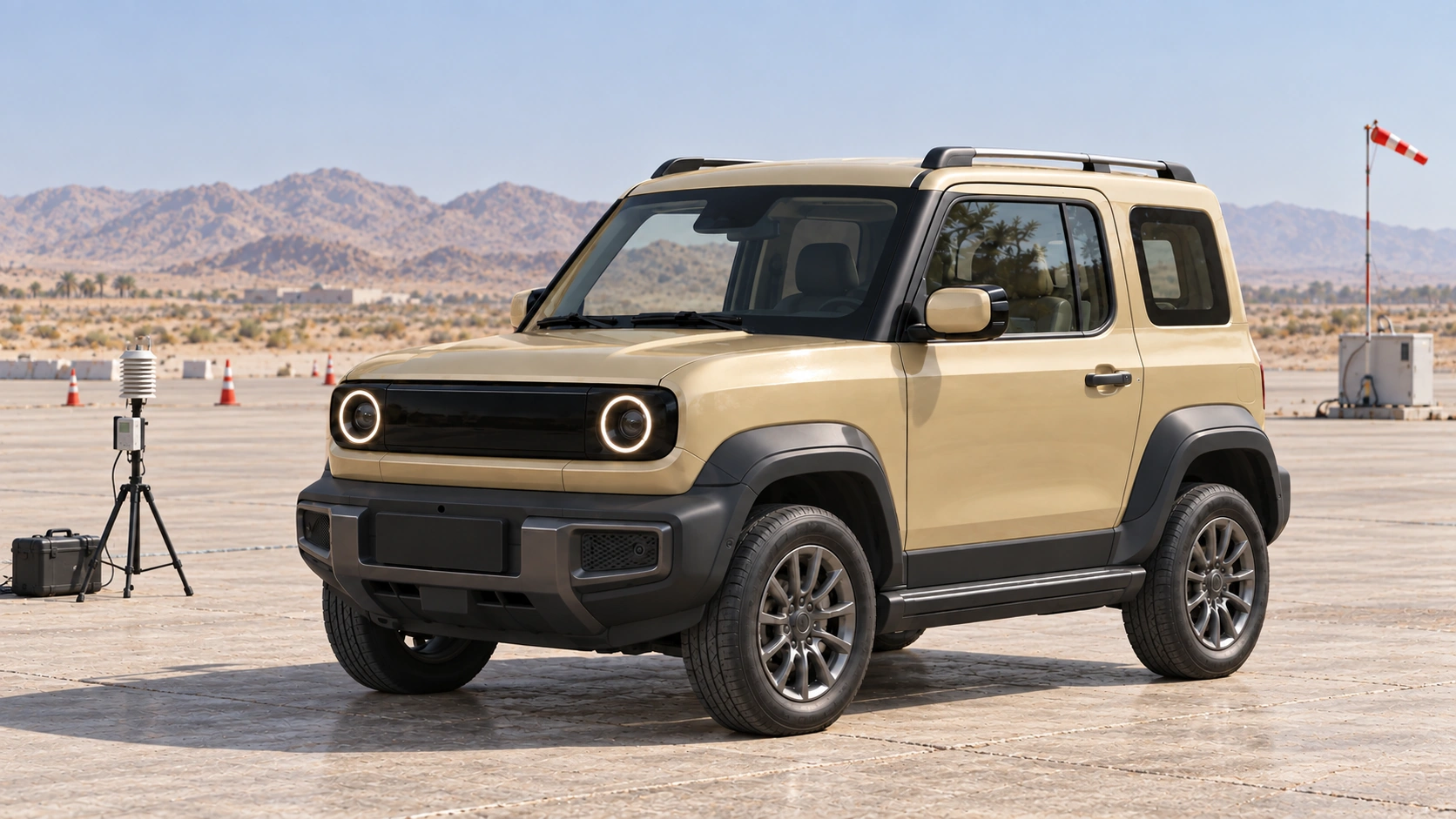
eng-hub-heat-validation.webpEvidence before adjectives
What is proven, what is a target
We separate a published platform fact from a QAF engineering target and from a result measured on a finished vehicle. They are not interchangeable.
Turning radius and luggage volume for the three-door remain to be measured. The climate pass thresholds, summer duty range and long-term capacity retention remain targets until representative vehicles complete their protocols. Where there is no result yet, we say so.
Published fact
A value released for the underlying platform, identified as such.
Engineering target
A result the finished QAF is designed and its test protocol written to achieve.
Validated result
A result recorded on a finished vehicle in the stated conditions.
Shared discipline
Two bodies, one standard
Sand and Stone use the short three-door body. Emerald uses the longer five-door. The same engineering discipline follows both.
Each body has its own mass, drive layout, battery pack and cabin duty. What stays common is the method: controlled receiving, an approved bill of materials, recorded work, supplier traceability and a final audit. Shared standards matter more than pretending the two platforms are identical.
eng-hub-final-inspection.webpWhere the Kingdom changes the brief
Heat, fine dust, short repeated journeys and frequent door openings connect systems that are usually discussed separately.
eng-hub-underbody-inspection.webpeng-hub-drive-calibration.webpHeat
Pack conditioning, compressor capacity, reflective glazing and depot pre-cooling are assessed as one thermal problem.
Dust
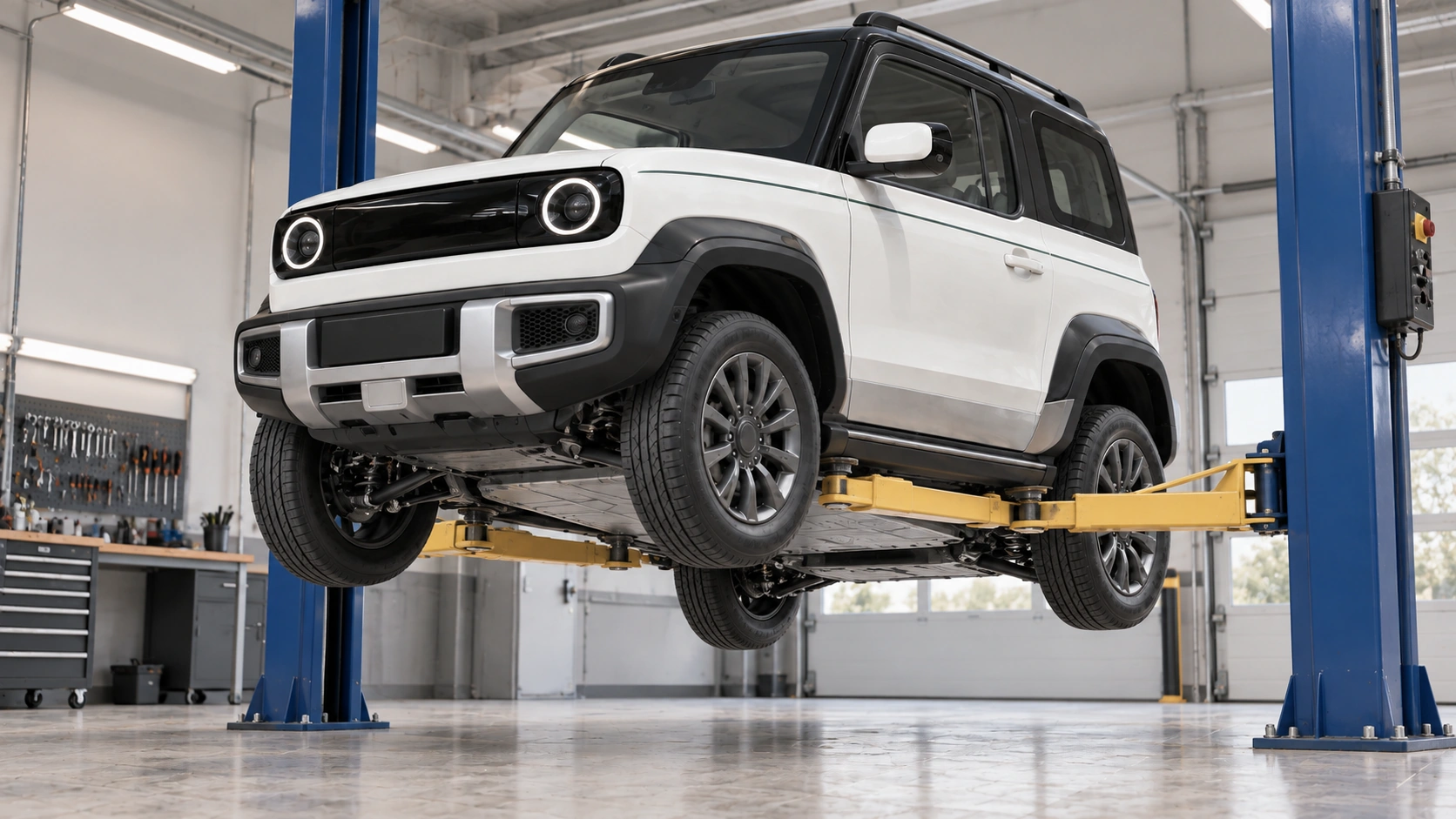
Door and tailgate seals, cabin filtration and underbody protection answer the same fine-particle environment.
Duty
Low-speed calibration, frequent stops and repeated door openings shape both energy use and rear-seat comfort.
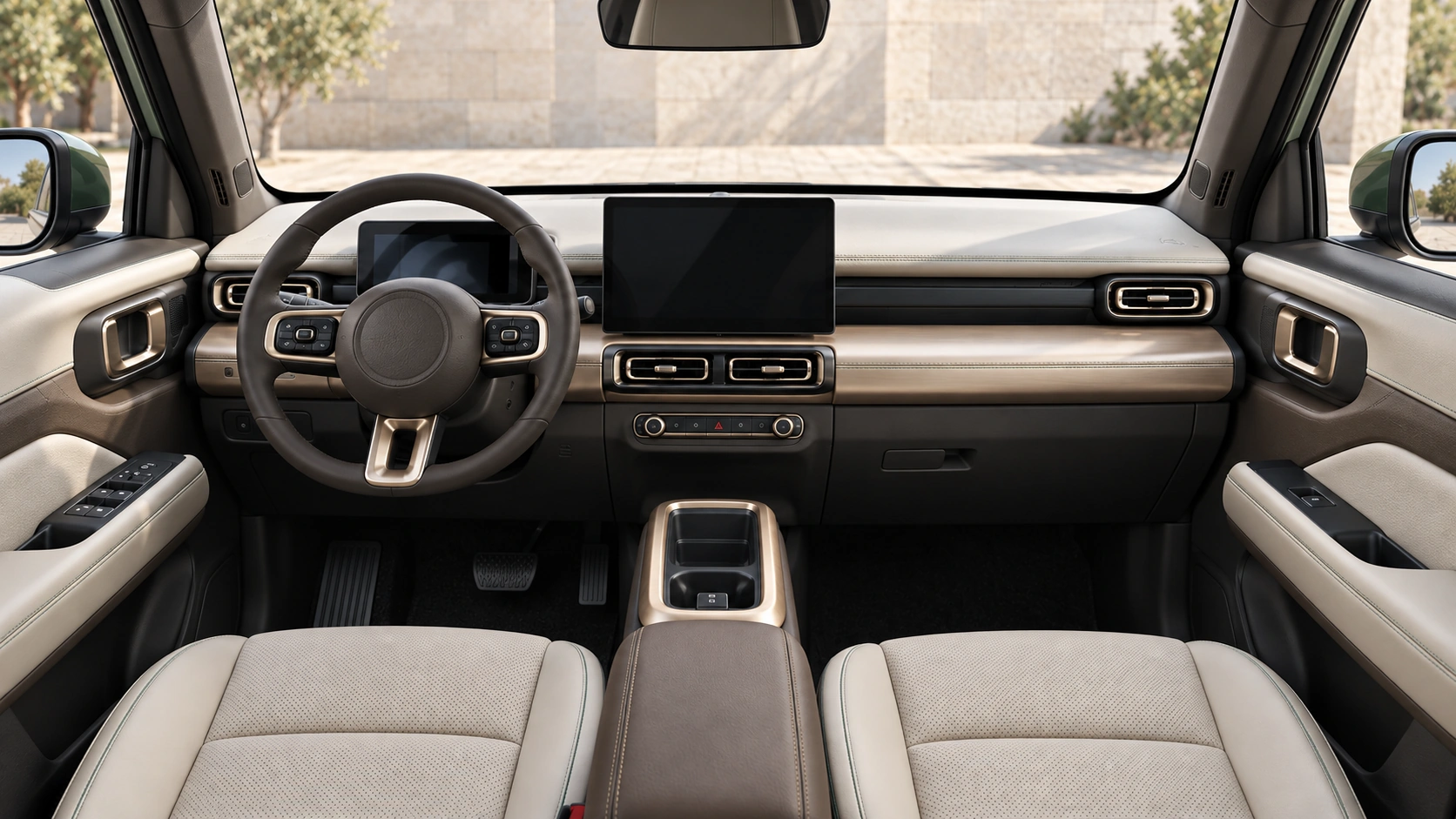
eng-hub-cabin-systems.webpFrom workshop to street
The handover
A completed vehicle returns to the Receiving station for a second reading. Software versions, climate behaviour, ride height, wheel alignment, finish and cabin functions are checked against its build record.
That record is intended to travel with the vehicle into service. A future fault can then be read in context: the physical assembly fitted, the software approved at handover and the work completed since.
The six chapters
Platform
The two underlying bodies, and the proposed QAF changes.
Drive
One motor, one gear, and a calibration that favours a cool cabin over a fast start.
Battery
LFP packs, regional charging proposals and a hot-weather validation brief.
Chassis and body
What is under a guest, honestly described, and what we do about it.
Climate
A 22 °C cabin at 45 °C ambient: the target and how we intend to test it.
Systems
Arabic first, fleet-connected, and quiet by design.
Ask the engineers.
Ask about the target, the proposed test and the evidence available. Fleet fault reporting — bringing drive, battery and climate signals into one operator view — is a development objective; field validation remains ahead. Ask for the protocol, the source or the current status.