

Chassis and body
Platform information and proposed QAF engineering. Component imagery is illustrative; final configuration and regional performance require validation.
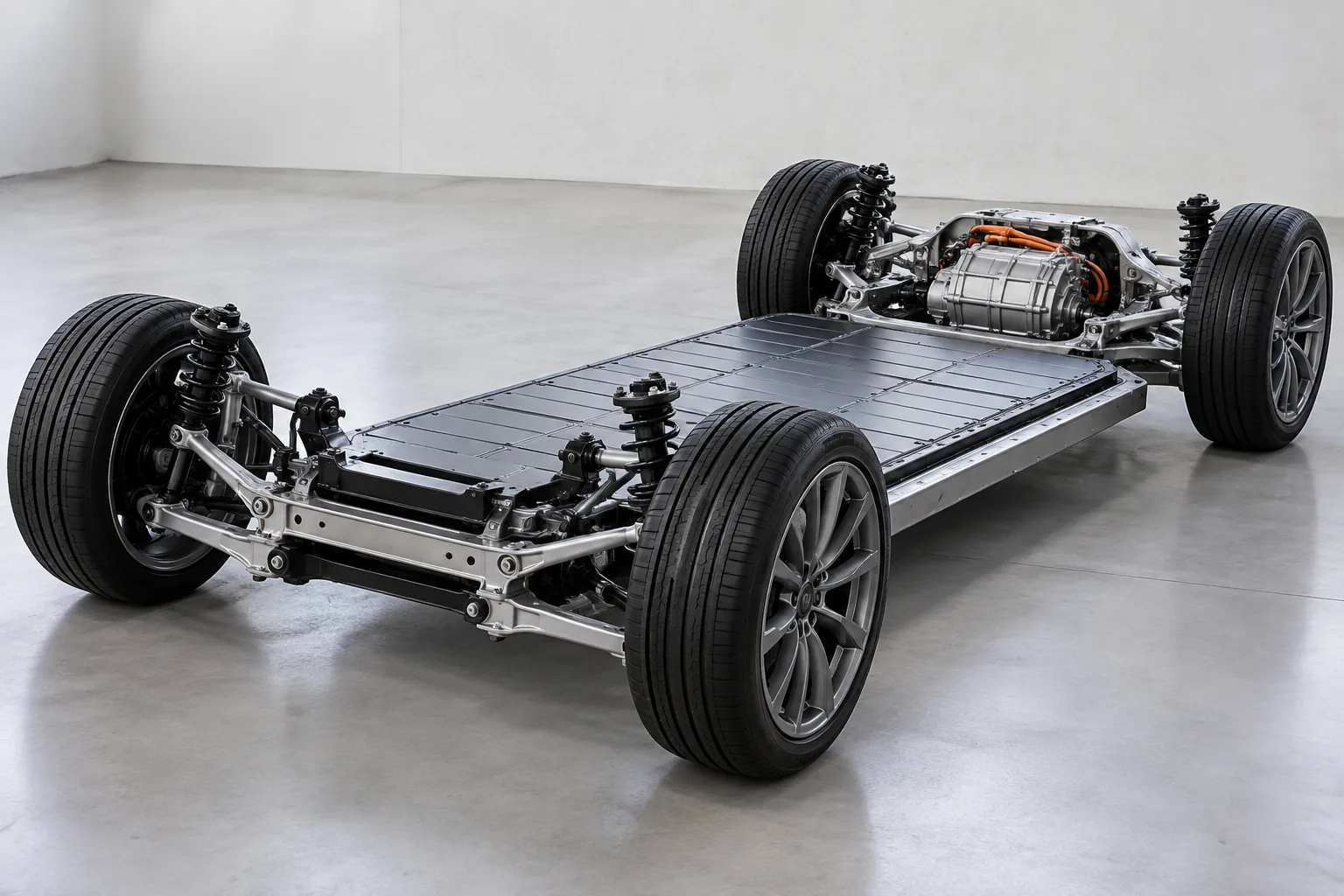
Comfort starts beneath the seat. Structure, suspension and tyres considered together.
Suspension
The three-door has MacPherson struts at the front and a rigid axle at the rear — simple, robust, and suited to a compact utility vehicle. The five-door has struts at the front and a torsion beam at the rear. Each layout sets a different starting point for the ride programme. What we do is retune: softer springs and re-valved dampers for the low speeds and the loaded rear seat of precinct work, and bushings chosen for quiet rather than for a lap time. The Emerald gets a further step: its rear seat is where the design begins, and the ride is tuned from that seat.
eng-chassis-rolling.webp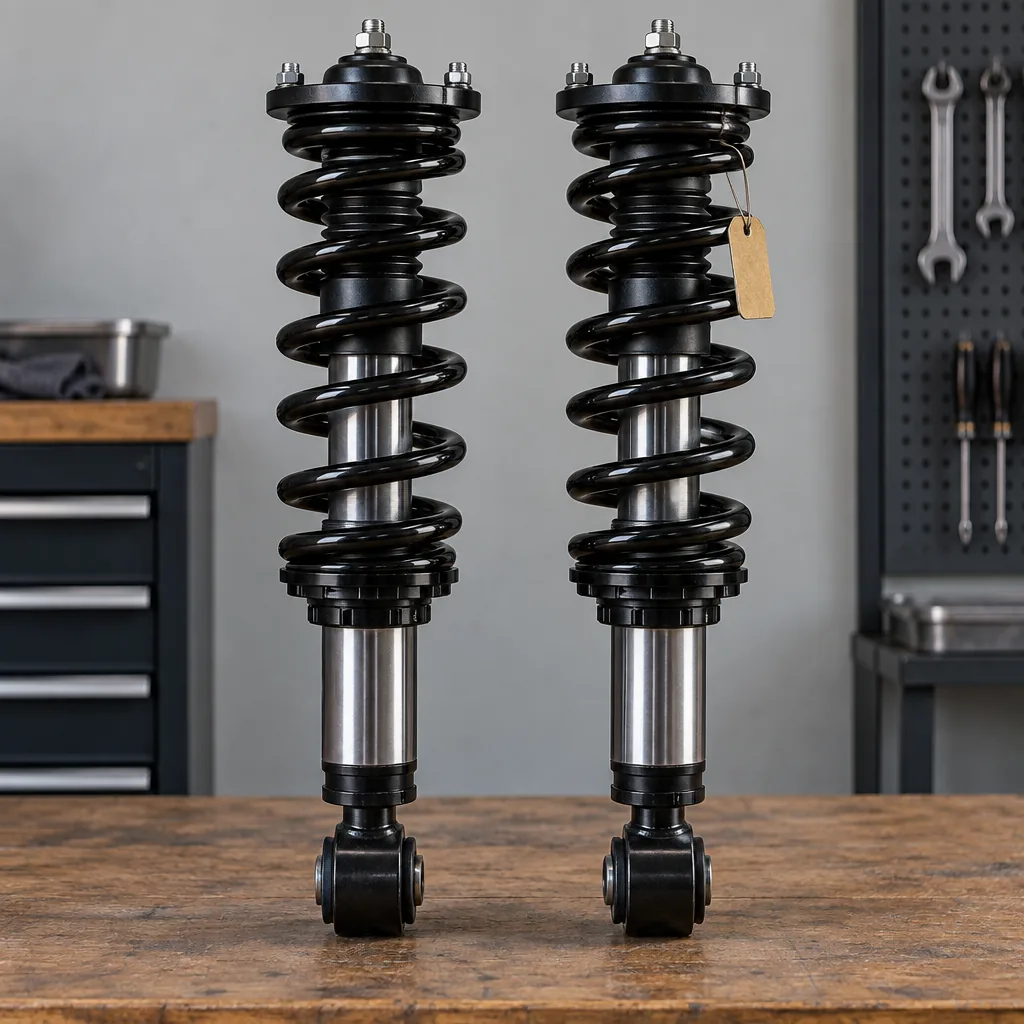
eng-chassis-damper.webpBrakes
Ventilated discs at the front, an electronic parking brake, and regeneration doing most of the stopping in the district. The five-door's dual-piston front calipers are the platform's own.
Tyres and wheels
Wheel and tyre specifications remain part of development; the current exterior studies use 15-inch proportions on Sand and Stone, and 16-inch on Emerald. A touring tyre chosen for noise and for the stone paving of a plaza, not for speed.
Body-in-white
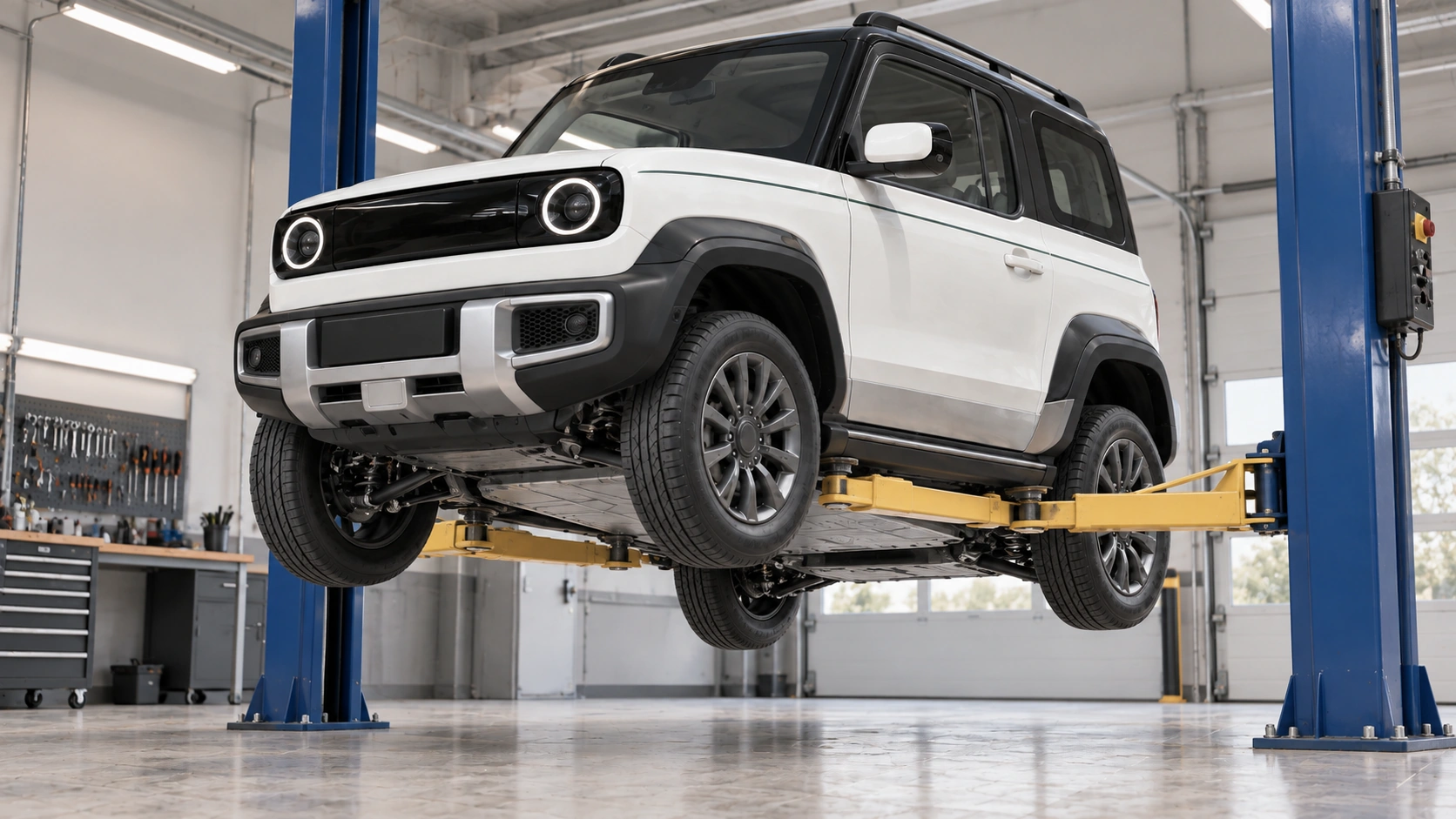
Steel, as the platform. The intent is to retain the platform’s crash structure and restraint systems. Any changes still require engineering assessment and the applicable vehicle approval; original certification does not automatically cover a conversion. The Emerald's bespoke bonnet, fascia and rear panel are skins on the same structure.
Sand
Door and tailgate seals uprated, cabin filtration to a finer grade, underbody protection specified for fine dust, and a floor that takes sand and cleans in a minute.
eng-chassis-underbody.webp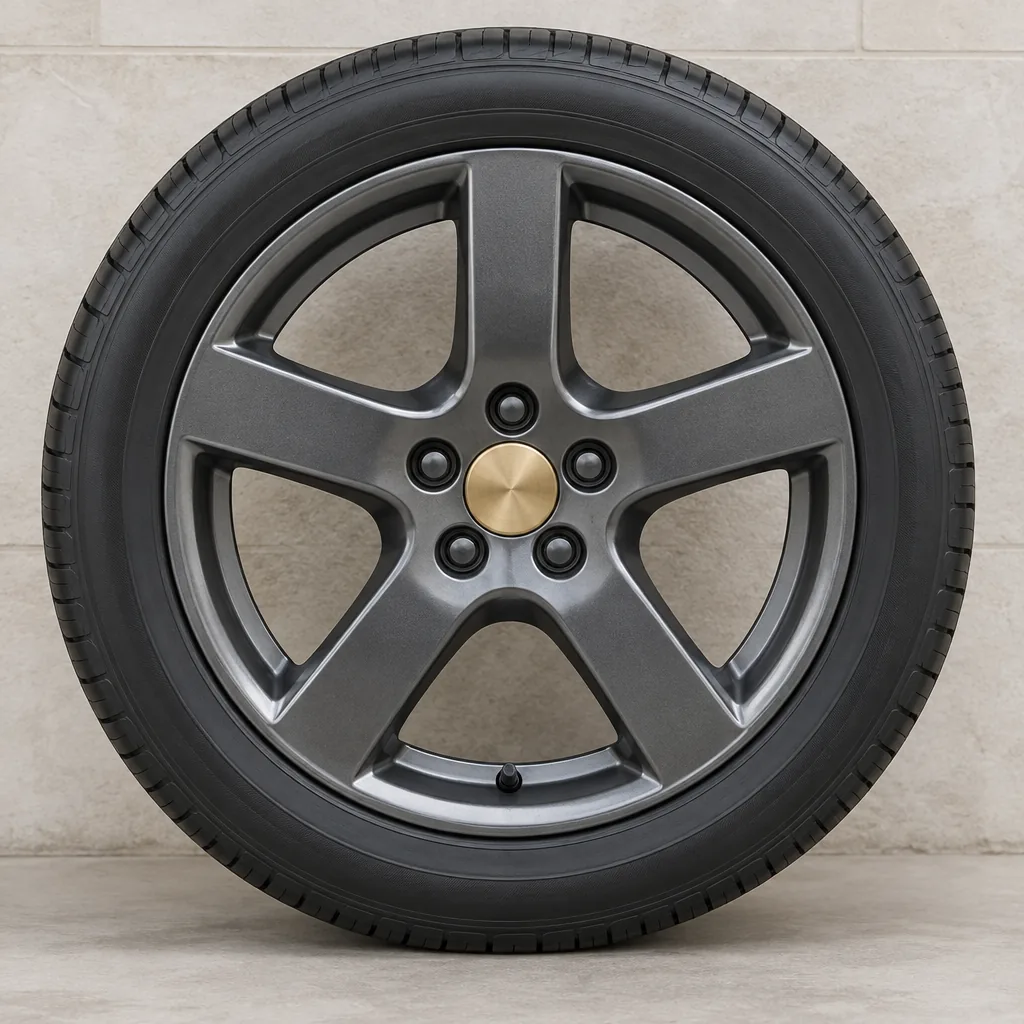
eng-chassis-tyre.webpComfort also depends on the cabin climate.
Forty-five degrees outside, twenty-two inside.