

Battery
Platform information and proposed QAF engineering. Component imagery is illustrative; final configuration and regional performance require validation.
The pack is only part of the range story. Heat, charging and daily duty matter just as much.
Two packs
28.1 kWh in the three-door; 41.9 kWh in the Emerald, with 32 and 54 kWh available from the platform for other duties. Both are lithium iron phosphate — a cathode of iron and phosphate rather than nickel, manganese and cobalt. LFP is the selected platform chemistry. Capacity, thermal management and charging limits must be confirmed for the chosen variant, then tested in the QAF operating cycle.
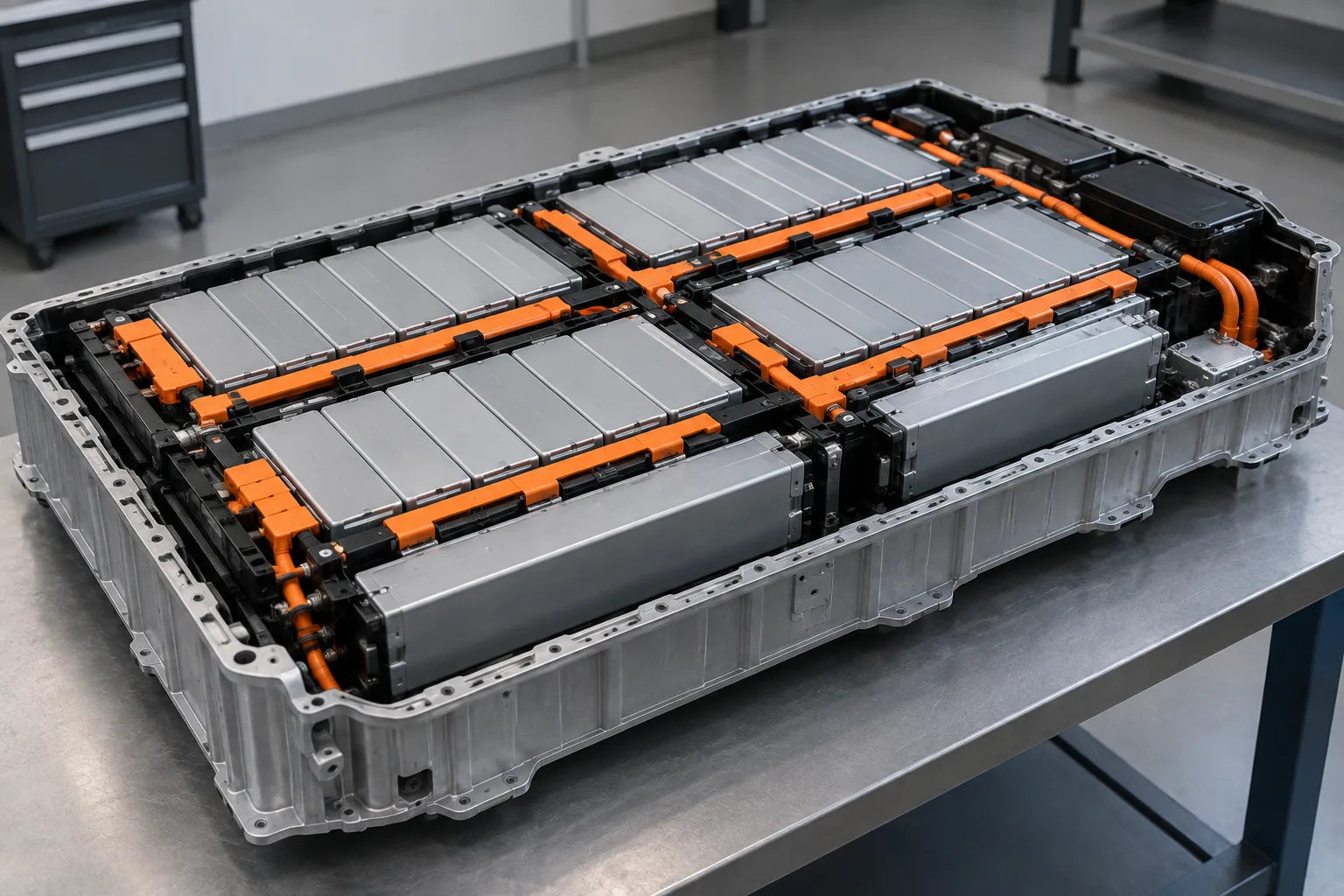
eng-battery-pack.webp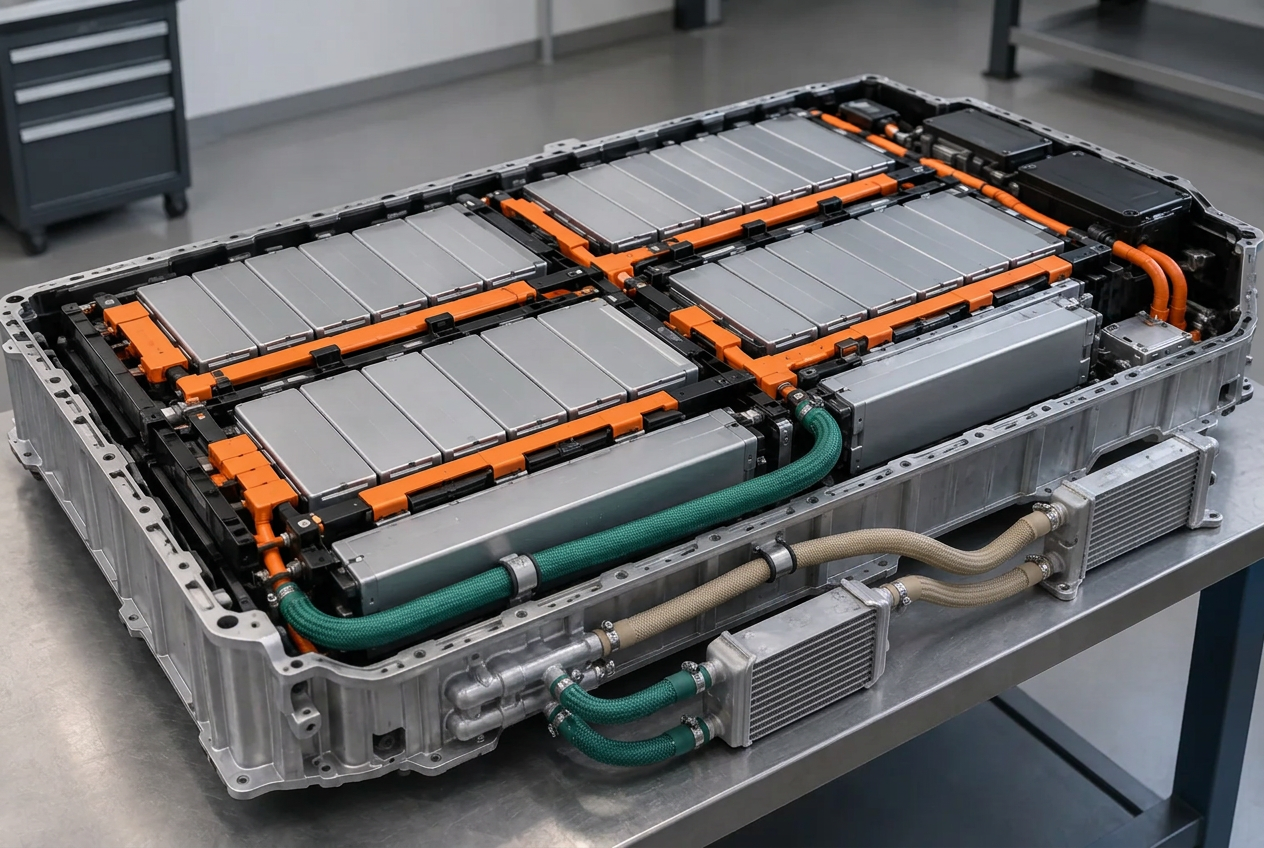
eng-battery-thermal.webpHeat
Battery thermal management varies by platform version; liquid cooling is not standard on every pack. QAF must validate the selected pack and its protection limits in heat. The programme has three priorities: shade — the depot units are specified for shaded installation and the pale roof keeps the floor cooler; pre-conditioning — the fleet controller starts cabin and battery cooling before the vehicle leaves the depot, on grid power rather than the pack's; and validation — every duty-cycle figure on this site is a target until it has been measured in the Kingdom, in summer, and we publish the measured figure when we have it.
Charging
Type 2 / CCS2 compatibility is a proposed regional conversion. The three-door platform publishes 3.3 kW AC charging; the five-door platform publishes 6.6 kW. A 6.6 kW upgrade for the three-door and all converted-vehicle charging performance require validation. Published platform DC charging is around 35 minutes from 30 to 80 per cent at normal temperature. The proposed depot unit is described under Ownership → Energy.
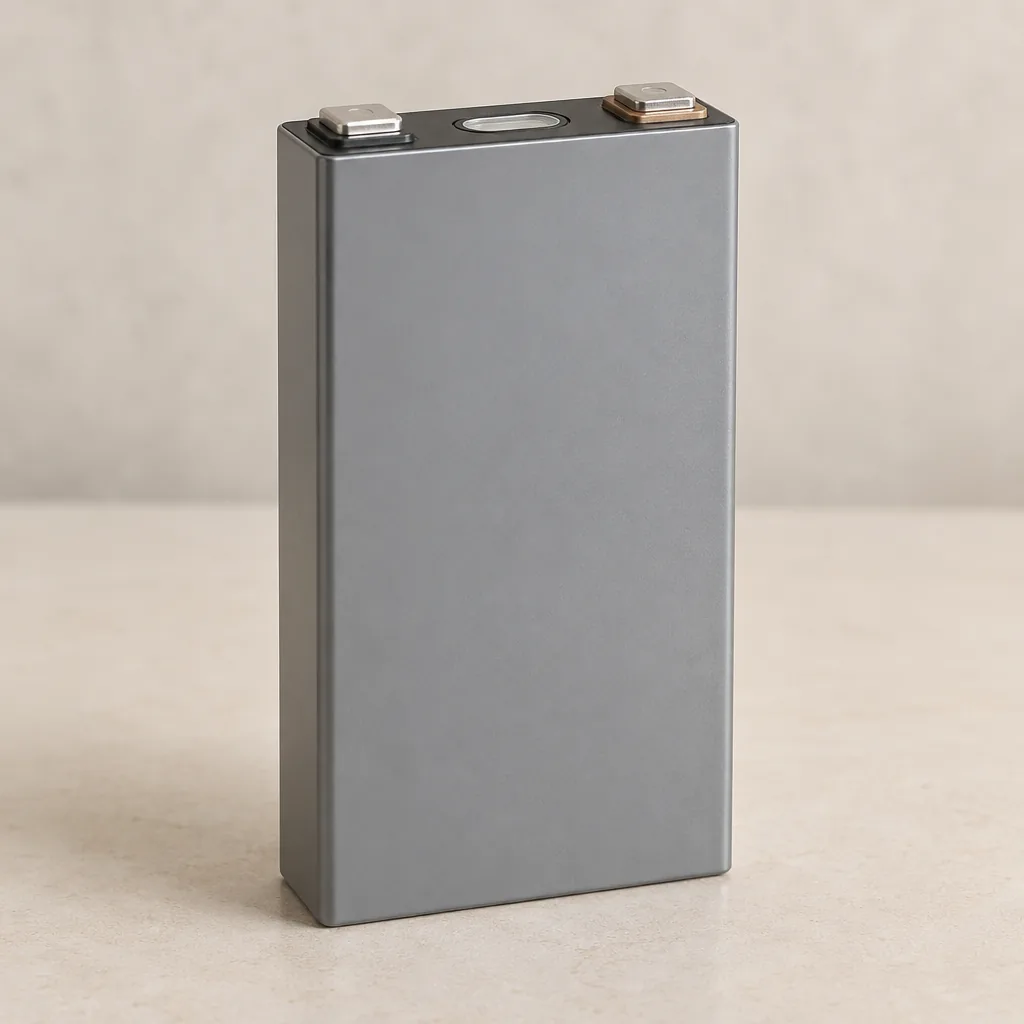
eng-battery-cell.webp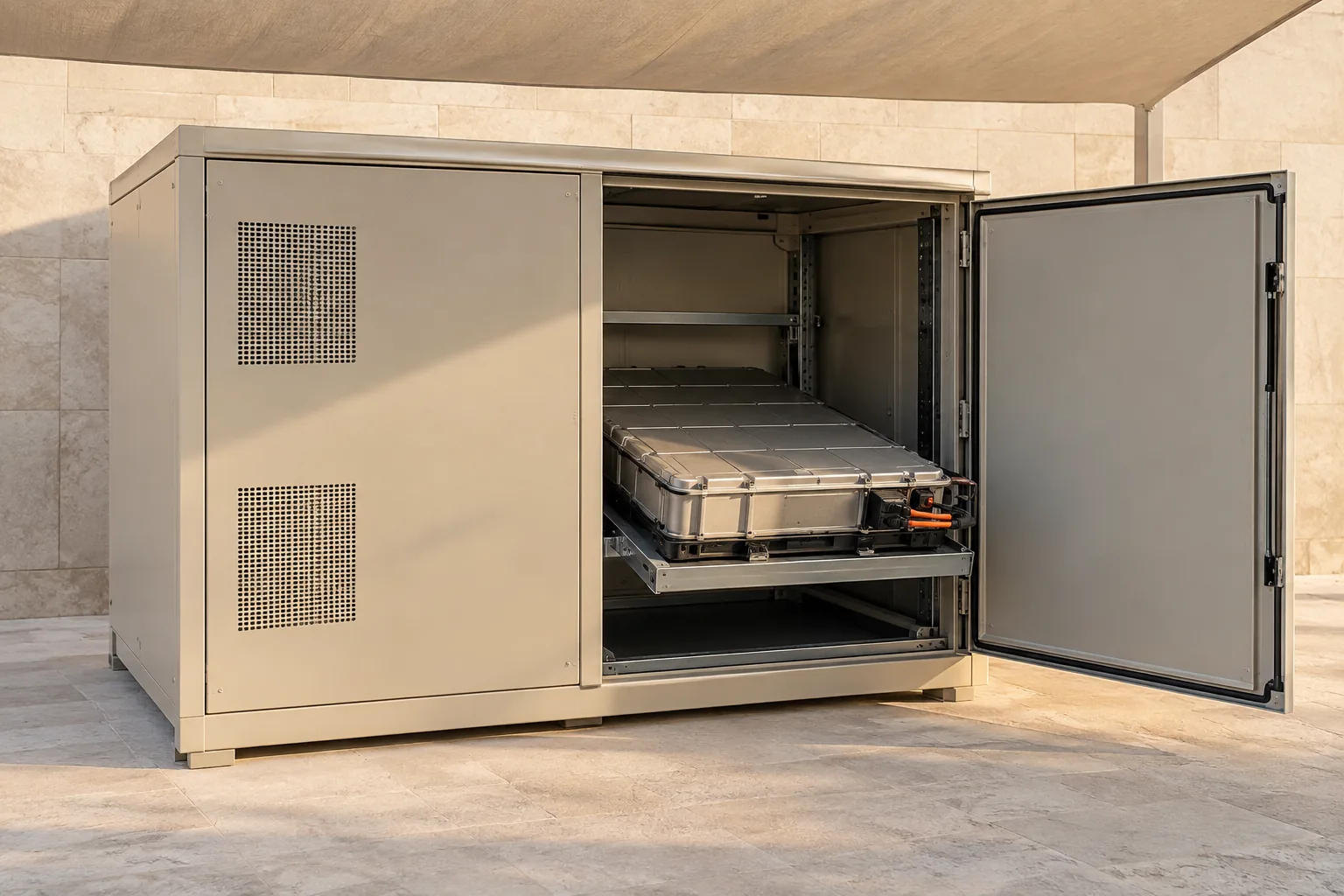
eng-battery-second-life.webpSecond life
Retired packs may be assessed for stationary storage where condition, compatibility and safety allow. Reuse is a development possibility; it is not an automatic destination for every pack.
What the validation programme should establish
Range at 45 °C with the cabin held at 22 °C, doors opening every five minutes; energy per kilometre in the district; capacity retention after each summer. The room holds the test protocol.